Sweat, Recover, Repeat: The Honest Guide to CBD Gummies and Athletic Performance
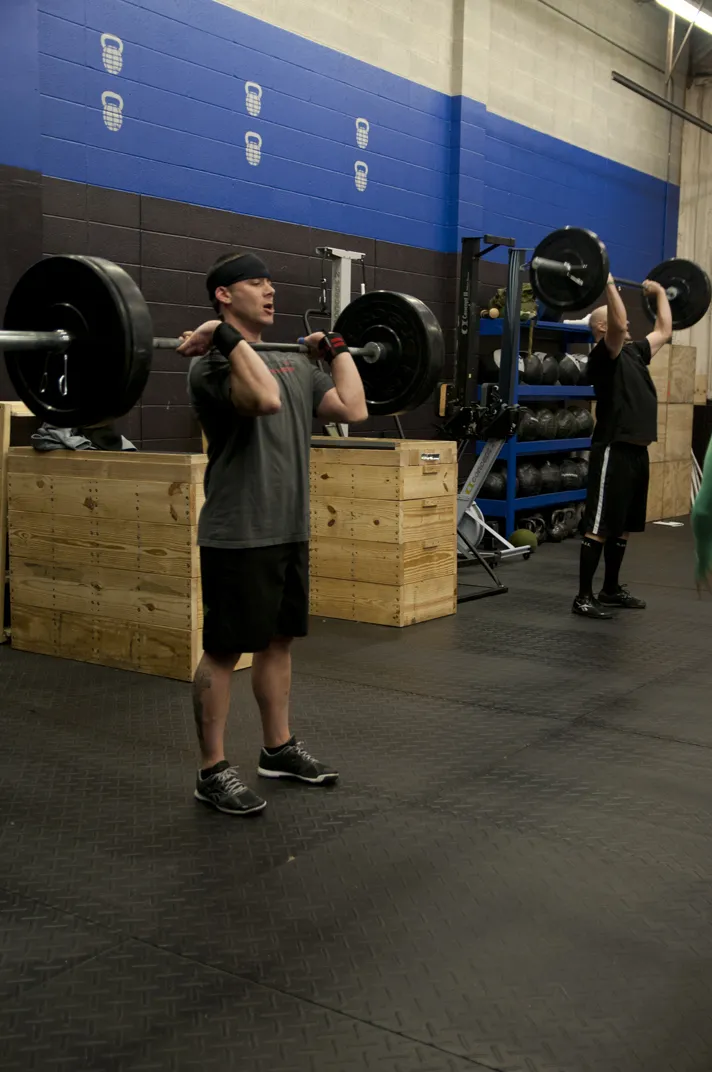
Photo: Sgt. Laura Bonano, Public domain, via Wikimedia Commons
Let's be straight with you. If you've been scrolling fitness forums or hanging around any gym locker room lately, you've probably heard someone mention CBD in the same breath as protein shakes and foam rollers. It's become a fixture in recovery conversations — but there's a wide gap between "everyone's talking about it" and "here's what it actually does." This guide is about closing that gap.
Why Athletes Started Paying Attention
The shift in how the fitness community views CBD happened pretty fast. A big moment came in 2018 when the World Anti-Doping Agency (WADA) removed CBD from its list of prohibited substances. That opened the door for competitive athletes to explore it without risking their eligibility — and a lot of them walked right through.
But recreational athletes, gym regulars, trail runners, and weekend cyclists were already experimenting well before that. The appeal makes intuitive sense: intense exercise creates inflammation, muscle soreness, and sometimes sleep disruption, and CBD has been studied in relation to all three of those areas. The question is how much of that interest is backed by solid evidence and how much is wishful thinking fueled by great marketing.
The honest answer? It's a mix of both — and knowing the difference helps you use CBD more effectively.
What the Research Actually Shows
CBD's most credible science centers on a few specific areas. The FDA-approved drug Epidiolex — a pharmaceutical-grade CBD formulation — demonstrated strong enough evidence to earn approval for certain seizure disorders. That's the gold standard for CBD research. For the kinds of applications fitness enthusiasts care about, the evidence is more preliminary but genuinely promising.
Inflammation and soreness: Exercise-induced inflammation is a normal part of adaptation — your muscles break down and rebuild stronger. But excessive soreness can sideline you for days. CBD interacts with the body's endocannabinoid system, which plays a role in regulating inflammatory responses. Early studies suggest CBD may help modulate that response, though most research to date has been conducted in animal models or small human trials. It's not a proven anti-inflammatory in the way ibuprofen is clinically established to be, but the biological mechanism is plausible and researchers are actively exploring it.
Sleep quality: This one is arguably the most underrated recovery tool in any athlete's arsenal. Poor sleep tanks performance, slows muscle repair, and raises injury risk. Some users report that CBD helps them fall asleep more easily and sleep more deeply, particularly at moderate doses. The research here is still developing, but the anecdotal consistency is notable enough that it's worth considering if sleep is a weak point in your recovery.
Stress and mental recovery: Training stress is physical, but competition anxiety and mental fatigue are real performance factors too. CBD has been studied in the context of anxiety reduction, with some small-scale trials showing measurable effects. For athletes who deal with pre-event nerves or the mental grind of heavy training blocks, that's a legitimate consideration.
What CBD is not well-supported as: a performance enhancer in the direct sense, a substitute for proper nutrition, or a fix for overtraining. Managing expectations here is part of using it wisely.
Real-World Scenarios: Where CBD Gummies Fit In
The long-run runner: You've just finished a 16-mile training run on Saturday morning. Your legs are cooked, and you know Sunday is going to be rough. Taking a CBD gummy Saturday evening as part of a recovery routine that includes proper hydration, a good meal, and some light stretching is a reasonable approach. The gummy isn't doing the heavy lifting — your nutrition and rest are — but it may support the overall process.
The CrossFit regular: Three days of intense WODs in a row have left your shoulders and lower back barking. A CBD gummy before bed on those heavy training nights might help you sleep through the discomfort more effectively and wake up feeling less beaten up. Again, it's a complement to recovery, not a replacement for it.
The competitive cyclist pre-race: You've got a big event Sunday and you're wired Friday night, unable to sleep. A moderate-dose CBD gummy (not a high dose that might leave you groggy) could be part of a wind-down routine that includes dimming screens, a light snack, and a consistent bedtime. The goal is getting quality sleep, and CBD may help you get there.
Choosing the Right Product for Active Lifestyles
Not all CBD gummies are created equal, and for fitness-focused consumers, a few things matter more than the average buyer might consider.
Dosing clarity: You want a product with a clearly labeled, consistent dose per gummy. Guessing isn't useful when you're trying to dial in a recovery routine.
Third-party testing: Look for a certificate of analysis (COA) from an independent lab. This confirms what's actually in the product — cannabinoid content, absence of pesticides, heavy metals, and residual solvents. Reputable brands make these easy to find. If a brand makes it hard, that's a red flag.
THC content: Hemp-derived CBD products must contain less than 0.3% THC by federal law. For most people, that's a non-issue. But if you're a competitive athlete subject to drug testing, be aware that even trace amounts of THC can potentially accumulate with regular use. Some athletes prefer broad-spectrum or CBD isolate products specifically to minimize that risk.
Timing: Gummies take longer to kick in than oils or tinctures because they're processed through digestion — typically 45 minutes to two hours. Plan accordingly. Most people find taking them in the evening, post-workout, works well for recovery purposes.
The Bottom Line for Fitness Enthusiasts
CBD gummies aren't magic, and any brand that tells you otherwise is selling something other than honesty. What they are is a low-risk, potentially useful addition to a recovery toolkit that's already built on solid fundamentals: sleep, nutrition, mobility work, and smart training loads.
At Denver Farms CBD, we believe in giving you the real picture so you can make genuinely informed choices. Our hemp comes from Colorado's Rocky Mountain growing region — high-altitude, clean-soil, rigorously tested — because we think what goes into your body after a hard training session deserves the same care you put into the training itself.
Train hard. Recover smarter. And read the label.