When Your CBD Routine Goes Quiet: The Real Reasons Your Gummies Feel Like They Stopped Working

That Familiar Feeling of "It's Not Working Anymore"
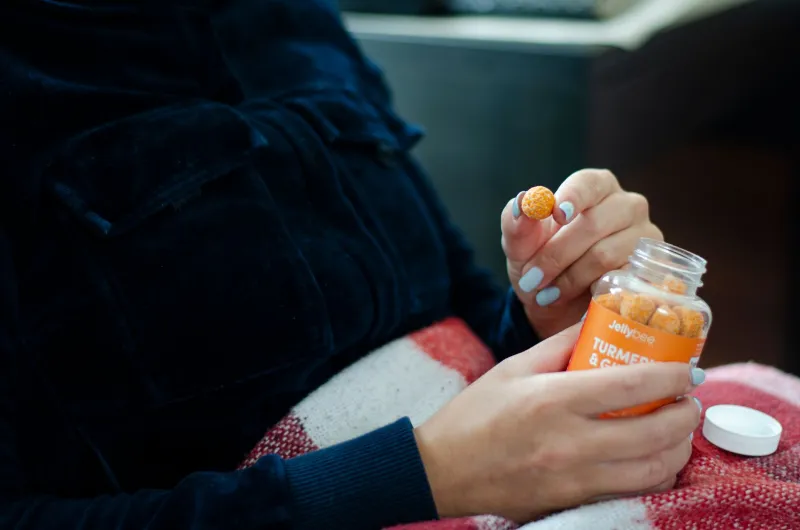
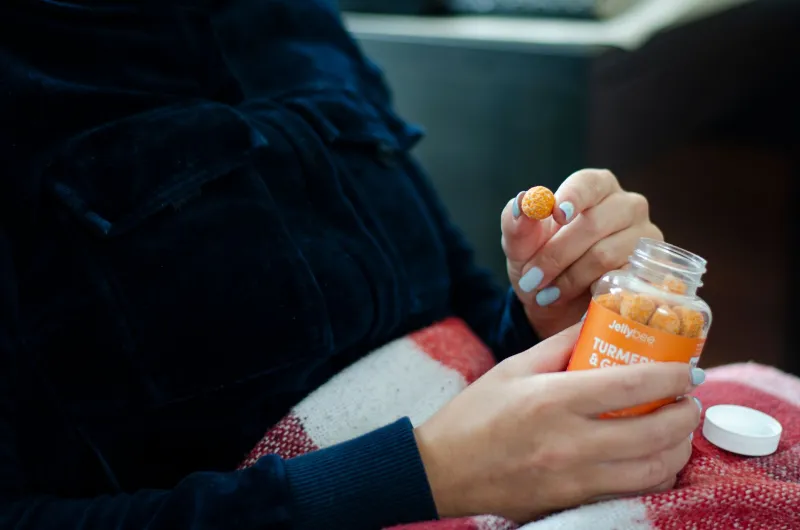
You started taking CBD gummies a few months back. The first few weeks felt noticeable — a quieter mind before bed, less edge to your afternoons, maybe some relief after a hard workout. Then somewhere along the way, things went... flat. The gummies feel like nothing now. You're chewing the same dose, buying the same product, doing the same routine — and getting a whole lot of silence in return.
So you start wondering if you've built up a tolerance. Maybe you need more milligrams. Maybe the batch is off. Maybe CBD just doesn't work for you anymore.
Here's the thing: that line of thinking almost always leads people down the wrong path. The CBD plateau is real, but it's rarely caused by what most people assume.
True Tolerance Is Less Common Than You Think
Let's start with the big one: tolerance. It's a word we associate with caffeine, alcohol, and prescription medications — substances where your body genuinely adapts and demands more to produce the same effect. With CBD, the picture is more nuanced.
Research so far suggests that CBD doesn't follow the classic tolerance curve. Unlike THC, which binds directly to cannabinoid receptors and can cause those receptors to downregulate over time, CBD works more indirectly. It influences the endocannabinoid system without locking into receptors the same way, which means the "more and more to get the same effect" spiral is far less likely.
Some regular users actually report reverse tolerance — where consistent use over time requires less CBD to feel the same results, possibly because the endocannabinoid system becomes better supported overall. So if you're convinced your body has just gotten used to the dose and tuned it out, the science suggests that explanation deserves some skepticism.
The Sneaky Culprits Behind a Fading CBD Routine
If it's not tolerance, what is it? Honestly, the answer is usually hiding somewhere in your daily life — not in the gummy itself.
Your stress levels changed. This is the big one. CBD doesn't eliminate stress — it supports your body's ability to manage it. If your baseline stress has quietly crept up (new job pressure, relationship friction, financial worry, the general chaos of modern life), you're asking the same dose to do more work. It's not that the product stopped working; it's that the problem got bigger.
Your sleep is worse. Sleep and CBD have a close relationship. Poor sleep degrades nearly every system in the body, including the endocannabinoid system. If you've been sleeping worse — even slightly — your overall sense of wellbeing drops, and that can make CBD feel less impactful even when it's still doing its job.
Your body composition or weight shifted. CBD is fat-soluble, meaning how your body processes and distributes it is influenced by factors like body weight and metabolism. A meaningful change in either can shift how much of a given dose actually reaches the tissues that need it.
Your diet and hydration changed. Taking a gummy on an empty stomach versus after a meal makes a measurable difference in absorption. If your eating habits drifted, so did your results. Dehydration is also a quiet saboteur — it affects almost every physiological process, and CBD absorption is no exception.
The seasons shifted. This one surprises people. Seasonal changes affect cortisol levels, sleep cycles, vitamin D production, and mood — all of which interact with how we perceive and experience the effects of CBD. What worked beautifully in summer might feel muted in January, not because the product changed, but because your body's chemistry did.
What Actually Works When You're Stuck on a Plateau
Before you double your dose or toss the whole routine, try some targeted adjustments. Most people find that one or two of these is all it takes.
Take a short break. Counterintuitive, but effective. A 3–5 day pause can reset your perception and help you notice the contrast when you restart. It's less about physical tolerance and more about recalibrating your awareness. After a break, most people find their original dose feels meaningful again.
Audit your lifestyle, not your product. Spend a week tracking sleep quality, stress levels, hydration, and whether you're eating before your gummy. Often the culprit shows up pretty quickly once you're paying attention.
Try adjusting the timing. If you've been taking your gummy at the same time every day without much thought, experiment. Take it with a small meal instead of on an empty stomach. Try a morning dose if you've been doing evenings, or vice versa. Timing affects absorption more than most people realize.
Look at the full picture of your wellness routine. CBD works best as part of a broader approach — not as a standalone fix. Exercise, stress management, quality sleep, and solid nutrition all amplify what CBD can do. If any of those pillars have gotten shaky, that's likely where the gap is.
Consider cycling your dose. Rather than going higher, try alternating between your standard dose and a slightly lower one on certain days. This keeps the system from settling into a pattern and can restore sensitivity over time.
A Note on Product Quality
Occasionally, the product itself is a contributing factor — though rarely the whole story. If a gummy has been stored improperly (heat, light, humidity are all enemies of CBD potency), the cannabinoids can degrade faster than the expiration date suggests. Check your storage habits. A cool, dark spot is ideal — not a warm kitchen counter or a gym bag.
It's also worth verifying that your product comes with up-to-date third-party lab testing. At Denver Farms CBD, every batch is tested and those results are available so you know exactly what you're getting. Consistency in sourcing and production matters, and it's one less variable to worry about when you're trying to troubleshoot.
The Plateau Is Usually a Signal, Not an Ending
When your CBD routine goes quiet, it's tempting to assume the relationship is just over. But more often, it's a nudge — your body telling you that something else in your life needs attention. The gummies didn't stop working. Something else shifted, and the gummies are just no longer carrying the load alone.
Treat the plateau as useful information rather than a dead end. Dig into your sleep, your stress, your habits, your hydration. Nine times out of ten, the answer is already there — and you don't need a bigger dose to find it.