Why Women Are Quietly Making CBD a Core Part of Their Health Routine

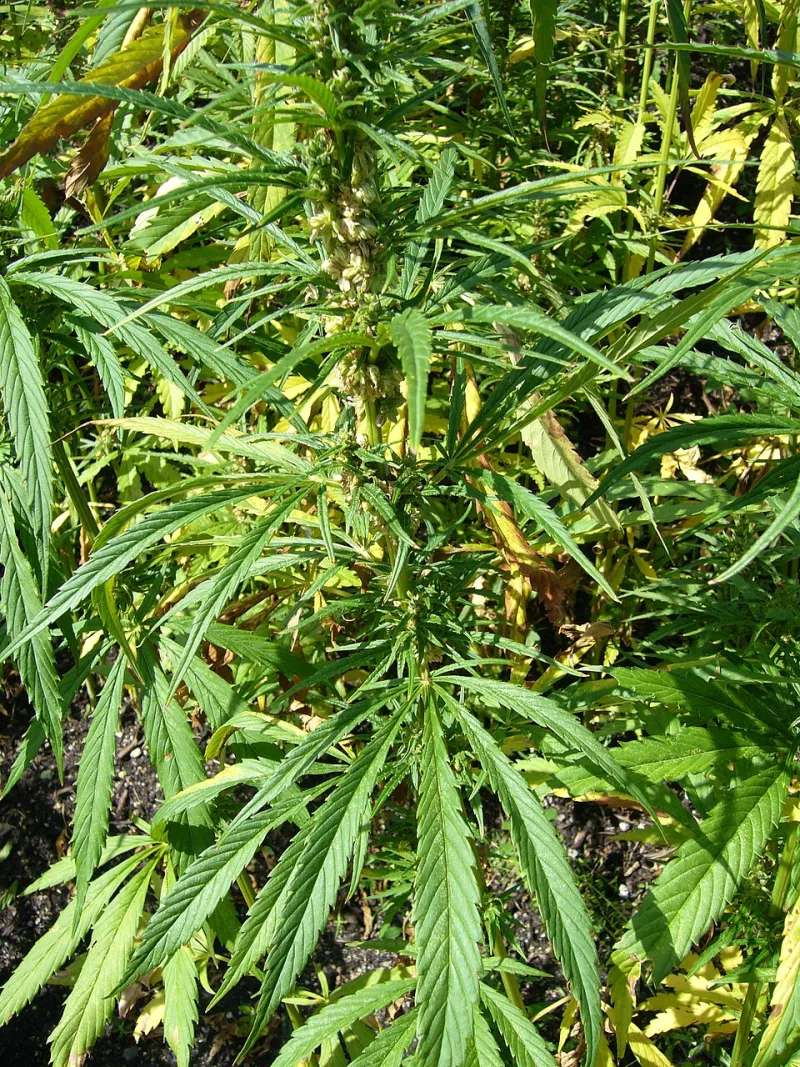
Photo: Tomi 4K', CC BY 2.0, via Wikimedia Commons
Walk into any wellness-focused conversation happening right now — in group chats, on Reddit threads, at yoga studios in Denver and beyond — and you'll notice something. Women are talking about CBD differently than the general market does. Not as a trendy supplement or a sleep hack, but as a tool they've carefully worked into their routines around specific, cyclical, deeply personal health experiences.
And mainstream wellness coverage? It's mostly still catching up.
That gap is worth examining. Because while the broader CBD conversation tends to focus on stress and sleep in fairly generic terms, the women actually using these products are navigating something more specific: hormonal fluctuations, energy crashes tied to their cycle, mood changes that come and go on a predictable schedule, and a general sense that their bodies need different support at different times of the month.
The Endocannabinoid System Has a Hormonal Connection
Here's the science that makes this conversation worth having. The endocannabinoid system — the network of receptors throughout the body that cannabinoids like CBD interact with — doesn't exist in isolation. It communicates with other major systems, including the endocrine system, which is responsible for hormone production and regulation.
Research published in journals like Frontiers in Endocrinology has explored how endocannabinoid activity fluctuates across the menstrual cycle. Estrogen, in particular, appears to influence the density and sensitivity of cannabinoid receptors. This means that the way CBD is processed and experienced in the body may actually shift depending on where someone is in their cycle — a nuance that most general dosing guidance completely ignores.
It also suggests that the endocannabinoid system may play a role in regulating some of the very things women report struggling with most: mood stability, pain sensitivity, sleep quality, and stress response. These aren't separate issues with separate solutions — they're interconnected, and the endocannabinoid system sits at that intersection.
What Women Are Actually Using CBD For
The anecdotal record here is substantial, even where formal clinical research is still catching up. Women using CBD gummies tend to report a few recurring themes:
Premenstrual tension and mood shifts. The days leading up to a period are often marked by irritability, anxiety, and emotional volatility that can feel disproportionate to circumstances. Some women describe CBD as helping to take the edge off without flattening their mood entirely — a subtle but meaningful distinction.
Cramping and physical discomfort. CBD's interaction with pain-signaling pathways has been a subject of growing research interest. While it's not a replacement for medical treatment, some users find that consistent CBD use in the days around menstruation helps reduce the intensity of physical discomfort.
Energy and focus during the follicular phase. Not all of the cycle is about managing difficulty. The week or so following a period — the follicular phase — is often when women feel sharpest and most energetic. Some are experimenting with CBD during this time to support focus and cognitive clarity, though this is an area where research is still early.
Perimenopause and sleep disruption. For women in their 40s and beyond navigating the hormonal shifts of perimenopause, sleep disturbance and night sweats are among the most common complaints. CBD's potential role in supporting sleep quality is one of the more studied areas in the cannabinoid space, and this demographic is increasingly part of the conversation.
The Research Landscape: Promising but Incomplete
It would be dishonest to suggest that the clinical evidence specifically focused on women's hormonal health and CBD is robust. It isn't — yet. Much of the foundational CBD research has used male subjects (a problem that extends well beyond cannabinoid science), and female-specific studies are only beginning to emerge in meaningful numbers.
What we do have is a growing body of research on CBD's effects on anxiety, inflammation, pain signaling, and sleep — all of which are relevant to many of the experiences women describe. A 2019 study in The Permanente Journal found significant improvements in anxiety scores and sleep quality in the majority of participants after one month of CBD use. A 2020 review in Cannabis and Cannabinoid Research pointed to CBD's interaction with serotonin receptors as a potential mechanism for mood-related benefits.
None of this is a green light to replace medical care with gummies. But it does suggest that the women experimenting with CBD for cycle-related wellness concerns aren't operating on wishful thinking. There's a plausible biological rationale for what many of them are reporting.
Tracking Your Cycle and Your CBD Use Together
One of the most practical things women are doing — and something we genuinely encourage here at Denver Farms CBD — is treating CBD use as part of a broader self-tracking practice. Cycle tracking apps have become mainstream, and layering CBD observations into that same log can produce surprisingly useful personal data.
A few questions worth tracking:
- Which phase of your cycle are you in when you take CBD?
- What dose are you using, and at what time of day?
- Are there specific symptoms (mood, sleep, energy, physical discomfort) you're hoping to address?
- What do you notice in the 24–48 hours after taking it?
Over a couple of months, patterns often emerge. Some women find that slightly higher doses during the luteal phase (the week or two before menstruation) are more effective. Others find that consistent daily use matters more than strategic timing. Your body will tell you things if you're paying attention.
Closing the Conversation Gap
There's something a little frustrating about how slowly the wellness industry has moved to address women's health with the same specificity it brings to general wellness topics. Women make up a significant portion of CBD consumers — some industry estimates put it at over 55% — and yet the content, the dosing guidance, and the product development in this space has historically been generic at best.
That's starting to change. Brands are beginning to develop formulations with women's specific needs in mind. Researchers are designing studies with female-specific outcomes. And women themselves are sharing information through communities that didn't exist five years ago.
At Denver Farms CBD, we believe that real wellness support comes from real information — not hype, not oversimplified claims, and not a one-size-fits-all approach. The women leading this quiet shift in how CBD is used deserve guidance that actually reflects their experience.
The conversation is just getting started. And it's one worth having.