No Two Batches Are Exactly Alike: What's Really Behind CBD Gummy Variation

You grab a new bottle of your usual CBD gummies, pop one on a Tuesday night, and something's just... off. Maybe the texture is chewier than you remember. Maybe the effect feels a little weaker — or stronger. Maybe the color's slightly different. You check the label, confirm it's the same brand, the same milligram count, and yet your body is telling you something changed.
Here's the honest truth: you're probably right. And it's not necessarily a sign that the brand is cutting corners. Batch-to-batch variation in CBD gummies is a manufacturing reality that even well-run operations deal with regularly. Understanding why it happens — and what separates acceptable variance from genuine quality problems — can save you money, frustration, and a lot of second-guessing.
The Core Challenge: Getting CBD to Play Nice in a Gummy
Gummies seem simple on the surface — sugar, gelatin (or pectin), flavoring, color, and CBD. But the process of actually getting cannabinoids distributed evenly throughout a gummy matrix is surprisingly tricky.
CBD extract is oil-based. Gummy bases are largely water-based. As any home cook knows, oil and water don't naturally mix. Manufacturers use emulsifiers to bridge this gap, but the degree of homogenization — how evenly that oil gets dispersed through the candy base — varies based on equipment calibration, mixing time, temperature, and the specific properties of each extract batch.
If the emulsification isn't perfect, you can end up with what chemists call "hot spots" — individual gummies within a batch that contain significantly more or less CBD than the stated dose. Some studies looking at commercial CBD products have found per-gummy potency swings of 20% or more from the labeled amount, even within a single bottle. That's a meaningful difference when you're trying to dial in a consistent wellness routine.
Why Batches Differ from Each Other
Even when a brand nails its process one month, the next batch might behave differently. Here's why:
The extract itself changes. Hemp is an agricultural product. Cannabinoid profiles shift with growing season, soil conditions, harvest timing, and post-harvest processing. A CO2 extraction run on one crop of hemp won't produce an identical oil to the next run, even from the same farm. Full-spectrum and broad-spectrum extracts are especially variable because they contain dozens of minor cannabinoids and terpenes, all of which can shift in concentration.
Ingredient sourcing fluctuations. Gelatin and pectin — the structural backbone of most gummies — come from third-party suppliers. A different lot of pectin can behave slightly differently during cooking, affecting texture, water activity, and even how the CBD integrates into the final product.
Temperature sensitivity during production. CBD degrades when exposed to excessive heat. The cooking process for gummies involves sustained elevated temperatures, and small variations in that process — a slightly hotter batch, longer cook time, faster cooling — can affect both the final cannabinoid concentration and the physical stability of the gummy itself.
Shelf stability over time. A gummy that tested perfectly at production may not hold those numbers by the time it reaches your door. Heat during shipping, exposure to humidity, or extended warehouse storage can all accelerate cannabinoid degradation. The gummy you're eating in month six of a twelve-month shelf life may genuinely be less potent than the one you ate in month one.
What Quality Control Actually Looks Like
Not all variation is equal. There's a big difference between minor, acceptable fluctuation and a brand that has fundamentally unreliable manufacturing practices. Here's what legitimate quality control looks like — and what you should be looking for.
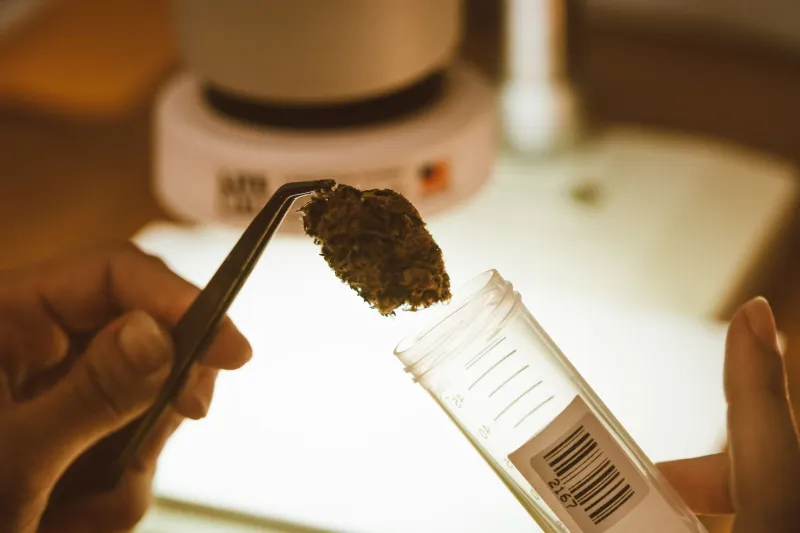
Certificate of Analysis (COA) per batch. Every batch of gummies should have its own third-party lab test, not a single test from six months ago applied to all subsequent production runs. A COA should show cannabinoid potency (including CBD per serving), the absence of pesticides, heavy metals, residual solvents, and microbial contamination. If a brand only has one COA posted for a product with no batch number tied to it, that's a yellow flag.
Batch numbers on packaging. Reputable manufacturers track production runs with lot numbers. This lets you cross-reference your specific bottle against its corresponding COA. If a brand can't tell you which test applies to which bottle, their quality control chain has gaps.
Homogeneity testing. This is a step above standard potency testing. Instead of testing a single gummy from a batch, homogeneity testing checks multiple gummies from across the same batch to verify even distribution. It's more expensive and time-consuming, which is why not all brands do it — but it's the gold standard for catching those hot spots we mentioned earlier.
Tight COA windows. Look at the actual potency numbers on a COA versus the label claim. A variance of ±10% is generally considered acceptable in the industry. If you're seeing ±25% or more, that's a sign of inconsistent manufacturing.
Red Flags That Signal Real Problems
Beyond what's on paper, your senses can tell you a lot. Here are physical signs that something's off with a batch:
- Unusual stickiness or hardness — Gummies that are dramatically stickier or stiffer than previous bottles may have been affected by humidity during storage or a change in the gummy base formulation.
- Visible oil separation — Small oily patches on the surface of gummies can indicate poor emulsification. That oil is likely carrying a concentrated dose of cannabinoids, which means the rest of the gummy has less.
- Color inconsistency within the same bottle — Some variation in natural coloring is normal, but dramatic differences in shade between gummies in the same batch can point to uneven mixing.
- Dramatically different effects at the same dose — This is the most subjective signal, but it matters. If your usual two-gummy evening routine suddenly feels either much stronger or noticeably weaker, something changed.
How to Shop Smarter
Armed with this knowledge, you can ask better questions before you buy. Look for brands that publish batch-specific COAs, not just a generic one on their website. Confirm that the COA date is recent — ideally within the last six months. Check whether homogeneity testing is part of their quality process (many brands will highlight this if they do it, because it's a differentiator).
When you find a batch that works well for you, note the lot number. If a future bottle feels off, you can compare COAs between the two batches to see whether there was a measurable difference in potency. It sounds like extra work, but for anyone using CBD as a consistent part of their wellness routine, it's worth the five minutes.
At Denver Farms CBD, we believe transparency isn't a marketing line — it's a baseline expectation. Variation in hemp-derived products is real, and pretending otherwise doesn't serve anyone. What matters is that the brands you trust are doing the work to minimize it, document it honestly, and give you the tools to verify it yourself. That's the standard worth holding the industry to.