Kombucha Next to the CBD: How Colorado Normalized Hemp for Everyone
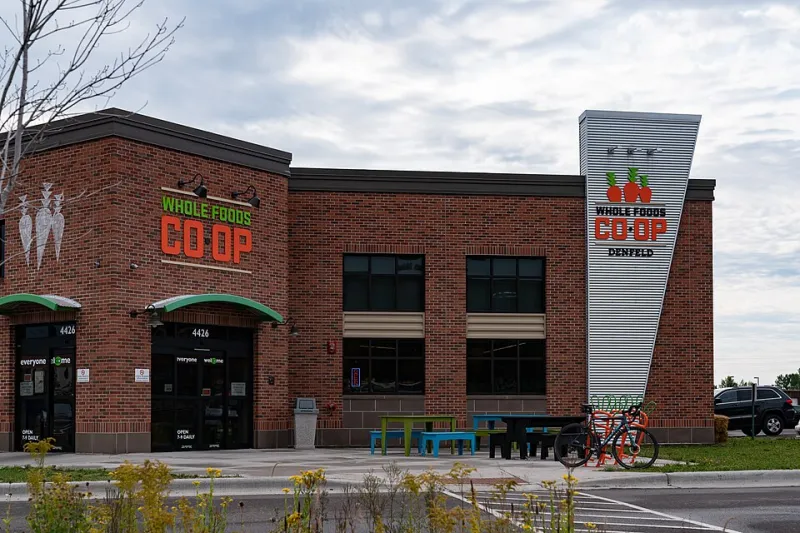
Photo: Tony Webster from Minneapolis, Minnesota, United States, CC BY 2.0, via Wikimedia Commons
Walk into a natural grocer in Denver and you'll pass the kombucha fridge, grab a carton of eggs, and stroll right past a full shelf of hemp-derived CBD products. Nobody blinks. Nobody whispers. A retiree picks up gummies for her knees while a college kid grabs a tincture on his lunch break.
It's such a normal part of shopping here that it's easy to forget how strange it looks from almost anywhere else in the country.
The Long Game Colorado Played
Colorado didn't stumble into being America's hemp capital. The state started building this position decades before it was fashionable. It was one of the first states to create a regulated hemp pilot program after the 2014 Farm Bill opened the door, and local universities — notably CSU and CU Boulder — poured real research resources into agronomy, genetics, and cannabinoid science.
When the 2018 Farm Bill federally legalized hemp, Colorado wasn't starting from scratch. It had farmers who knew how to grow the crop, processors who knew how to extract from it, and regulators who'd already spent years writing rules. That head start is a big part of why the Front Range became a cluster of hemp businesses the way Seattle became coffee or Austin became music.
What Regulation Looks Like on the Ground
Colorado's Department of Agriculture runs one of the stricter hemp programs in the country. Every crop gets tested for THC content. Every product that crosses a shelf here operates inside a framework that demands documentation — where the hemp was grown, how it was tested, what's actually in the jar.
That might sound like bureaucratic wallpaper, but it matters to your shopping cart. When a state requires this level of traceability, it raises the floor for everyone. The fly-by-night operations that thrive in regulatory gray zones have a much harder time surviving in a market with real oversight.
Two Shoppers, Two Realities
Picture two people buying CBD gummies on the same Tuesday.
Our Denver shopper walks into a grocery store, compares a few labels, scans a QR code to check lab results on her phone, and checks out between the bread and the produce. Total time: ten minutes.
Her cousin in a state with tighter access might be driving to a specialty shop forty minutes away, sorting through brands with no local oversight, relying entirely on whatever the label claims. Or she might be ordering online and hoping what arrives matches the website. She has no way to verify sourcing, and the store staff may know less about the products than she does.
Same product category, completely different experience. That gap — between a mature, regulated market and a patchwork one — is the quiet story of American CBD right now.
Why the Rest of the Country Is Catching Up
Here's the good news: the Colorado model is spreading, not because regulators everywhere woke up inspired, but because consumers demanded it. Shoppers started asking for lab results. They started reading labels. They started treating CBD like the grocery-aisle product it is rather than something bought from the back of a van.
Federal standards have firmed up since 2018, and most states now run hemp programs modeled on the same testing and traceability principles Colorado pioneered. The distance between our hypothetical shoppers shrinks every year.
What This Means for You, Wherever You Live
Even if your state's market is still maturing, you can borrow the Colorado standard. Ask where the hemp was grown. Look for batch-specific third-party lab results. Favor brands that treat transparency as a feature, not a burden. The rules that come naturally to a Denver grocery aisle are rules you can apply to any purchase, in any state, with a phone and a QR code.
Colorado got a head start, but the real story isn't about one state. It's about what happens when hemp stops being a novelty and becomes what it always should have been: a plant on a shelf, sold honestly, bought without a second thought.