Should You Take a Break from CBD? What Tolerance Research Actually Tells Us

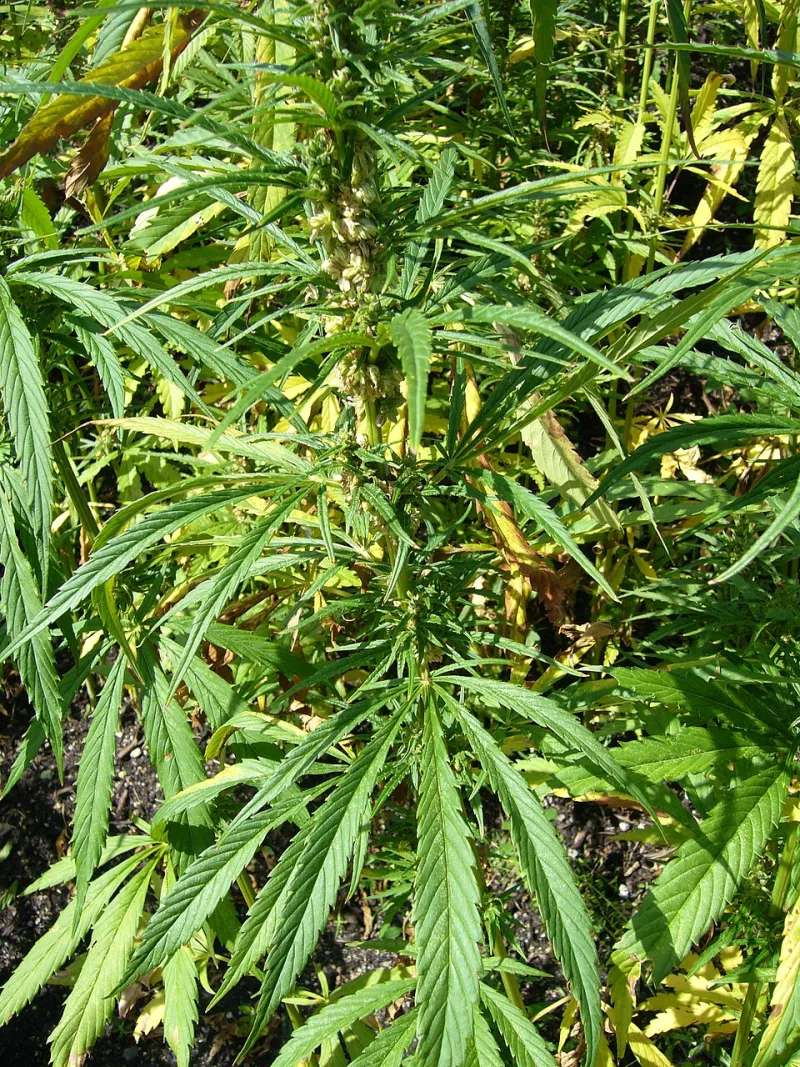
Photo by Photo by Resilience CBD on Unsplash on Unsplash
Spend enough time in any CBD community—Reddit threads, wellness Facebook groups, the comment section of your favorite hemp brand—and you'll eventually stumble across someone swearing they had to take a week off because their gummies "stopped working." Then someone else chimes in saying they've been taking the same dose for three years with zero issues. So who's right?
The truth, as with most things in cannabinoid science, lands somewhere in the middle. Let's dig into what tolerance actually means in the context of CBD, what the research does and doesn't confirm, and how to figure out what makes sense for your own routine.
What Does "Tolerance" Even Mean?
Tolerance is a pharmacological term describing what happens when your body adapts to a substance over time, requiring more of it to produce the same effect. It's well-documented with things like caffeine, alcohol, and certain prescription medications.
But here's where it gets interesting with CBD: the mechanism behind tolerance is closely tied to how a compound interacts with your body's receptors. Most classic tolerance scenarios involve a compound that directly and repeatedly stimulates a specific receptor, causing the body to downregulate—essentially reduce the number of—those receptors as a protective measure.
CBD doesn't work that way.
How CBD Interacts With Your Endocannabinoid System
Unlike THC, which binds directly to CB1 receptors in the brain (and is well-known for producing tolerance), CBD is what researchers call a "promiscuous" compound—it interacts with dozens of receptor systems rather than hammering one specific pathway. It influences serotonin receptors, vanilloid receptors, and even helps modulate how your own endocannabinoid system manages itself.
Because CBD doesn't create the same kind of direct, sustained activation at CB1 receptors that THC does, classic receptor downregulation is far less likely. Some early research even suggests CBD may have what's called a "reverse tolerance" effect—meaning over time, you might actually need less to feel the same benefit, not more. This is thought to happen because CBD supports the endocannabinoid system's overall efficiency rather than overwhelming it.
That said, this research is still developing. Most studies to date have been conducted in animal models or short-term human trials, so we're not at the point where anyone can say definitively, "CBD never causes tolerance, full stop."
So Why Do Some People Feel Like Their CBD Stopped Working?
This is a fair and common observation, and there are several explanations that have nothing to do with true pharmacological tolerance.
Lifestyle changes. If your stress levels have increased, your sleep has gotten worse, or your inflammation has ramped up due to a new workout routine, your baseline need may have shifted. The gummies haven't changed—your situation has.
Product quality drift. Not all CBD products are created equal, and batch-to-batch consistency varies across brands. If you switched products or even just opened a new bottle, potency differences could explain a perceived drop in effectiveness.
Expectation fatigue. Early on, people often notice CBD's effects because they're paying close attention. Over time, the benefits become background noise—part of your normal. You're still getting the effect; you've just stopped noticing it as something new.
Actual physiological adjustment. It's possible that in some individuals, with some formulations, some degree of adaptation does occur. The honest answer is we don't fully know yet.
What About "Tolerance Breaks"—Are They Worth It?
The concept of a tolerance break, or "T-break," is borrowed from the cannabis world where THC users take days or weeks off to reset their CB1 receptor sensitivity. It's a legitimate strategy for THC.
For CBD, the scientific case for mandatory breaks is weak. There's no solid evidence that taking a week off from CBD gummies will meaningfully "reset" anything in the way a THC break does. However, that doesn't mean breaks are useless for everyone.
Some regular users report that stepping back for a few days—sometimes called "cycling"—helps them reassess whether CBD is still serving their needs, reconnect with their baseline, and potentially reduce their overall spend on supplements. These are practical, personal reasons rather than pharmacological ones.
If you feel like your gummies have lost their edge, here's a more useful approach than immediately assuming tolerance:
- Check your dose. Are you still in a reasonable range for your body weight and the issue you're addressing? CBD is notoriously individual in terms of effective dosing.
- Look at timing. Taking gummies consistently at the same time each day, especially with food containing healthy fats, can improve absorption significantly.
- Evaluate your product. Is it third-party tested? Is the hemp grown in quality conditions—ideally somewhere with clean soil and rigorous agricultural standards, like Colorado's high-altitude growing regions? Hemp is a bioaccumulator, meaning it pulls from whatever soil it's grown in.
- Consider a brief break as an experiment, not a requirement. Take five to seven days off and see how you feel. If things noticeably worsen during that window, CBD is likely still doing something meaningful for you.
Practical Guidance for Long-Term CBD Users
If you've been incorporating hemp gummies into your daily wellness routine for months or years, here's what the current evidence supports:
You probably don't need to take breaks on a fixed schedule. Unlike THC, CBD's interaction profile doesn't create the same kind of receptor downregulation that makes periodic breaks medically advisable.
Pay attention to your body over arbitrary timelines. If everything is working well, don't fix what isn't broken. If something feels off, investigate the variables before assuming tolerance is the culprit.
More isn't always better. If you feel like your current dose isn't cutting it, resist the urge to simply double up. Try adjusting timing, format, or the specific product before escalating the amount.
Talk to a healthcare provider if you're using CBD alongside other health strategies. This is especially true if you're managing a chronic condition or taking prescription medications.
The Bottom Line
The tolerance question in the CBD world is largely borrowed from the THC conversation—and the two compounds behave very differently in the body. Current research doesn't support the idea that CBD users need to cycle off on any regular schedule. What does matter is using a quality product, staying attentive to how your body responds, and being honest with yourself about whether your routine is actually serving your wellness goals.
At Denver Farms CBD, we think the best supplement routine is one that's informed, intentional, and built around real science—not borrowed myths from a different corner of the cannabis conversation. If your gummies are working, keep going. If something feels off, investigate thoughtfully. Your endocannabinoid system is remarkably adaptive, and a little curiosity goes a long way.