Why Your New CBD Gummies Feel Different: A Honest Look at What Changes When You Switch Brands

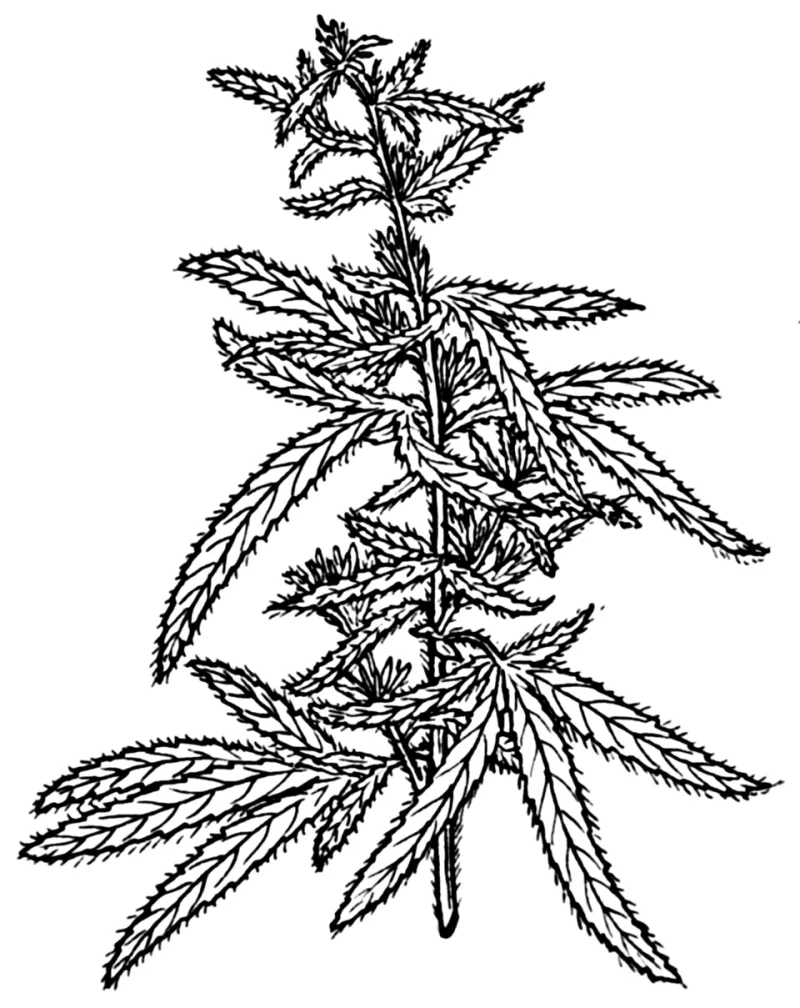
Photo: Llywelyn2000, CC0, via Wikimedia Commons
You found a brand you liked. Maybe the price went up, maybe your local shop stopped carrying it, maybe a friend swore their gummies were better. So you switched. And now something feels... different.
Maybe the new gummies aren't hitting the same way. Or maybe — and this happens more than people admit — the new ones actually work better. Either way, you're left wondering: is this in my head, or is there a real reason CBD gummies from different brands can feel so noticeably different?
Short answer: it's almost definitely not in your head. Here's what's actually going on.
CBD Is Just One Piece of a Much Bigger Picture
When people compare CBD gummies, the instinct is to look at the milligram count on the label. Brand A has 25mg per gummy. Brand B also has 25mg per gummy. Same thing, right?
Not even close.
That number tells you how much CBD is in the product, but it says almost nothing about the quality of that CBD, what's traveling alongside it, or how well your body is actually going to absorb it. Two gummies can share the same number on the label and deliver completely different experiences because of factors that most labels don't even mention.
Think of it like coffee. Two cups can both be "12oz, medium roast" and taste nothing alike depending on the beans, the roast process, the grind, and the brew method. The category is the same. The experience isn't.
The Extraction Method Makes a Real Difference
How a company pulls CBD out of the hemp plant shapes everything about the final product. There are a few common methods in the industry, and they're not equal.
CO2 extraction is widely considered the gold standard. It uses pressurized carbon dioxide to pull cannabinoids and terpenes from the plant without leaving behind chemical residue. The result is a clean, full-spectrum or broad-spectrum extract that preserves a lot of what makes hemp beneficial in the first place.
Ethanol extraction can also produce quality results when done carefully, but it's easier to cut corners with, and some of the more delicate plant compounds don't survive the process as well.
Cheaper solvent-based methods — think butane or propane — can leave trace residues and tend to strip out beneficial compounds in the process. They're cheaper to run, which is often why you find them in budget products.
If you switched from a brand using CO2 extraction to one using a cheaper method (or vice versa), that alone could explain what you're feeling.
Full-Spectrum vs. Broad-Spectrum vs. Isolate: This Matters More Than Most People Realize
You've probably seen these terms, but here's why they matter when you're switching brands.
Full-spectrum hemp extract contains CBD plus a range of other naturally occurring cannabinoids — including trace amounts of THC (under 0.3% as required by federal law), along with terpenes and flavonoids. These compounds interact with each other in what researchers call the "entourage effect," potentially amplifying the overall impact.
Broad-spectrum removes the THC but keeps the other cannabinoids and terpenes. Still has some entourage effect going on, but it's not quite the same picture.
CBD isolate is pure CBD — everything else has been stripped away. It's predictable and consistent, but you lose the complexity of the full plant.
If you were using a full-spectrum product and switched to an isolate-based gummy (or the other way around), your body is essentially receiving a different set of inputs. The 25mg number stayed the same. The experience didn't.
Where the Hemp Comes From Isn't a Marketing Gimmick
Here in Colorado, we take hemp sourcing seriously — and not just for branding reasons. The soil hemp is grown in, the climate, the farming practices, and even the specific strain all influence the cannabinoid and terpene profile of the final extract.
Hemp grown in nutrient-rich, well-managed soil tends to produce plants with richer, more complex cannabinoid profiles. Hemp grown in depleted soil or with heavy pesticide use can produce plants that technically meet compliance standards but lack the depth that makes a product actually work well.
This is part of why Rocky Mountain-grown hemp has developed a genuine reputation — not just a marketing one. The altitude, the clean water sources, and the legacy of agricultural care in this region genuinely influence what ends up in the extract.
When you switch brands, you may be switching from Colorado-grown hemp to something sourced overseas or from a region with less rigorous agricultural standards. That can absolutely change what you feel.
Third-Party Testing: The One Thing You Should Always Check
Let's be blunt: the CBD industry has a transparency problem in some corners of the market. Not everywhere — there are genuinely excellent brands doing everything right — but there are also products on shelves that don't contain what the label says, contain more THC than advertised, or carry contaminants from poorly managed growing operations.
A reputable brand publishes a Certificate of Analysis (COA) from an independent, accredited lab. This document confirms the actual cannabinoid content, verifies THC levels, and screens for pesticides, heavy metals, and residual solvents.
If you switched to a brand that doesn't publish COAs — or publishes them but they're outdated or from an in-house lab — you genuinely have no way of knowing what you're putting in your body. Some people switch brands and "feel nothing" not because CBD stopped working for them, but because the new product is significantly underdosed compared to what the label claims.
Your Body Adjusts, Too
Here's a layer that's easy to overlook: your endocannabinoid system adapts over time to whatever you've been taking. If you used one brand consistently for months, your body established a kind of baseline with that specific product. Switching introduces new variables — different cannabinoid ratios, different terpene profiles, different absorption rates — and your system needs time to recalibrate.
This is especially true if you're switching from isolate to full-spectrum. The introduction of additional cannabinoids can feel noticeably different in the first week or two, even if the CBD milligram count is identical.
Give yourself at least two to three weeks before making a final judgment on a new product. First impressions with CBD aren't always the whole story.
How to Make a Smarter Switch
If you're in the middle of a brand transition — or thinking about making one — here's a practical checklist:
- Check the COA. If the brand doesn't publish one, that's a hard pass.
- Know your spectrum type. Are you moving from full-spectrum to isolate? That's a meaningful change.
- Look at the ingredient list. Quality gummies use clean carriers and natural flavoring. A long list of synthetic additives is a flag.
- Research the hemp source. US-grown, ideally with strain and farm information available, is always preferable.
- Give it time. Don't judge a new product on day three.
Switching CBD brands doesn't have to be a gamble. When you know what variables actually matter, you can make a comparison that goes beyond the price tag and the milligram number — and find something that genuinely works for you.
At Denver Farms CBD, transparency isn't an afterthought. It's the whole point.