One Gummy, Many Compounds: The Real Science Behind Why Full-Spectrum Hemp Hits Different
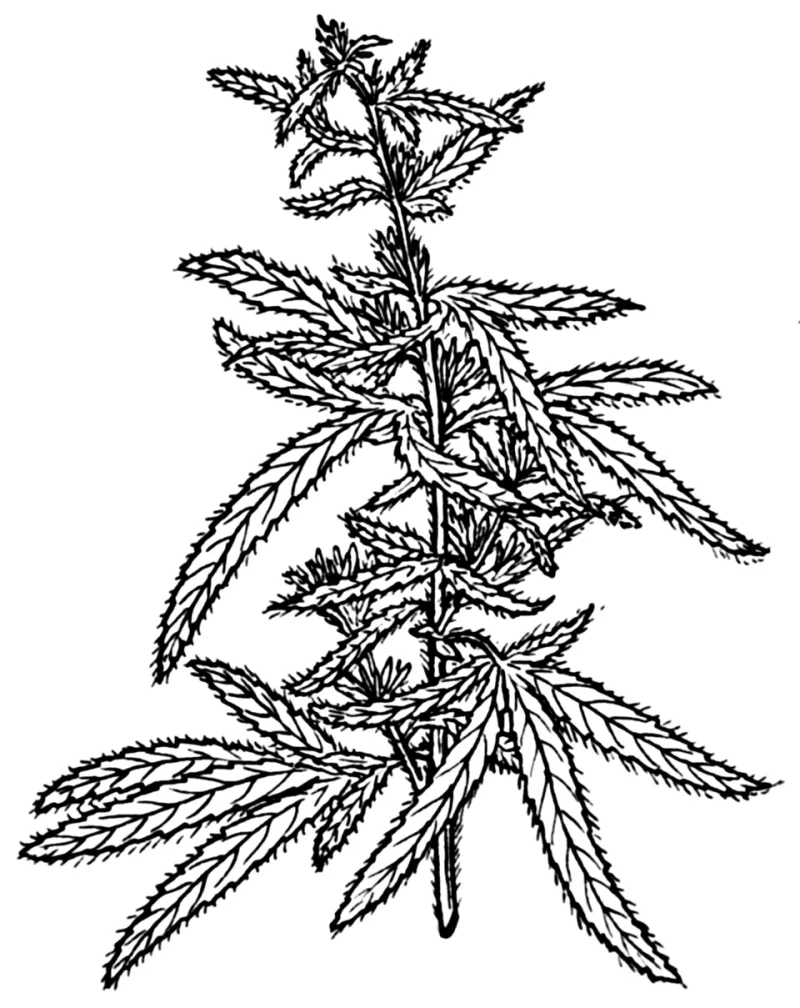
Photo: Pearson Scott Foresman, Public domain, via Wikimedia Commons
Pick up almost any CBD gummy off a shelf these days and you'll see words like "full-spectrum," "broad-spectrum," or "isolate" printed somewhere on the label. Most brands throw these terms around like they're obvious — but unless you've spent time reading hemp research, they can feel like marketing noise.
They're not, though. These distinctions actually matter a lot, and understanding them could change how you shop, what you feel, and how much value you get from every gummy you take.
Let's break it down.
Hemp Is a Complex Plant — And That Complexity Is the Point
When hemp is grown and harvested, the plant contains hundreds of naturally occurring compounds. There are over 100 identified cannabinoids, dozens of terpenes (the aromatic molecules that give plants their distinctive smells and flavors), flavonoids, fatty acids, and more.
The cannabinoid most people know is CBD — cannabidiol. But hemp also produces smaller quantities of other cannabinoids like CBG (cannabigerol), CBN (cannabinol), CBC (cannabichromene), and trace amounts of THC (under 0.3% in federally legal hemp). Each of these compounds interacts with the body in its own way, primarily through the endocannabinoid system — the network of receptors and signaling molecules that helps regulate everything from mood and sleep to inflammation and appetite.
Here's where it gets interesting: these compounds don't just work independently. Research suggests they influence each other in ways that can amplify, modulate, or otherwise change how your body responds to them.
The Entourage Effect: More Than a Buzzword
The phrase "entourage effect" was first introduced in scientific literature in the late 1990s and has been studied more seriously in the decades since. The core idea is that the full array of compounds in hemp — cannabinoids, terpenes, flavonoids — produces a more complete and effective response in the body than any single compound taken alone.
Think of it like a band versus a solo act. A single instrument can carry a melody, but a full band creates something richer, with harmony, texture, and depth that one player simply can't replicate.
A widely cited 2011 paper by Dr. Ethan Russo, published in the British Journal of Pharmacology, laid out compelling evidence that terpenes and cannabinoids interact synergistically — meaning the combined effect can be greater than the sum of its parts. More recent research has continued to build on this foundation, though scientists are still working to fully map out the mechanisms.
For everyday consumers, this means that what's in your gummy beyond CBD might be just as important as the CBD itself.
So What's Actually the Difference Between the Three Types?
CBD Isolate is exactly what it sounds like — CBD extracted and purified until it's essentially a single compound, usually in crystalline or powder form. Everything else from the plant has been removed. It's flavorless, odorless, and predictable. Some people prefer it because it contains zero THC, which matters for those with drug testing concerns or sensitivities.
The trade-off? You lose all the supporting compounds. You're getting the solo act, not the band.
Broad-Spectrum Hemp sits in the middle. It retains most of the cannabinoids and terpenes from the original plant, but goes through an additional processing step to remove THC entirely. You get more of the plant's natural complexity without any detectable THC. For people who want the benefits of multiple compounds but need to avoid THC completely, broad-spectrum is a reasonable option.
Full-Spectrum Hemp is the least processed of the three. It keeps the full range of cannabinoids, terpenes, and other plant compounds intact — including that trace amount of THC (again, no more than 0.3% under federal law, which is not enough to produce any psychoactive effect). The idea is to preserve the plant's natural chemistry as closely as possible, giving your body the most complete version of what hemp has to offer.
At Denver Farms CBD, full-spectrum formulations are our focus — and that's a deliberate choice rooted in exactly this science.
The Supporting Cast: CBG, CBN, and Terpenes
A few of the minor players are worth knowing by name, because they're not so minor when it comes to how you might feel.
CBG (Cannabigerol) is sometimes called the "mother cannabinoid" because it's the precursor from which many other cannabinoids are synthesized in the plant. Early research points to potential roles in supporting focus, gut health, and inflammation response, though more clinical studies are needed.
CBN (Cannabinol) forms as THC ages and oxidizes — it's present in small amounts in mature hemp plants. It's attracted attention in the wellness world largely around sleep, with some users reporting that CBN-containing products help them settle down at night. The science is still catching up, but the anecdotal interest is significant.
Terpenes like myrcene, linalool, and beta-caryophyllene don't just affect flavor and aroma — they interact with cannabinoid receptors and other biological pathways. Beta-caryophyllene, for instance, actually binds directly to CB2 receptors, making it arguably a cannabinoid in its own right. Linalool, also found in lavender, has been associated with calming effects in multiple studies.
Strip all of these out, and you've got a very different product.
Why This Matters When You're Shopping
The label on a gummy package can tell you a lot — if you know what to look for. A certificate of analysis (COA) from a third-party lab is the gold standard. It should show you not just the CBD content, but the full cannabinoid profile: CBG, CBN, CBC, THC levels, and ideally terpene content as well.
If a brand can't or won't provide a COA, that's a red flag. If the COA only shows CBD and nothing else, you're likely looking at an isolate product — which isn't necessarily bad, but you should know that going in.
At Denver Farms, we source our hemp from Rocky Mountain-region farms and use whole-plant extraction specifically because we believe the full profile matters. Our COAs are available and transparent because we think you deserve to know exactly what you're consuming.
The Bottom Line
Full-spectrum isn't just a premium marketing term — it reflects a genuine difference in what's inside the product and how your body may respond to it. The entourage effect is real, it's backed by a growing body of research, and it's one of the most compelling reasons to pay attention to what type of hemp extract is in your gummies.
Isolate has its place. Broad-spectrum is a solid middle ground. But if you're looking for the most complete hemp experience, full-spectrum is where the science points.
And out here in Denver, where hemp has deep roots and real standards matter, that's the version we stand behind.