Does Your CBD Gummy Still Work? The Truth About Potency, Shelf Life, and Smart Storage
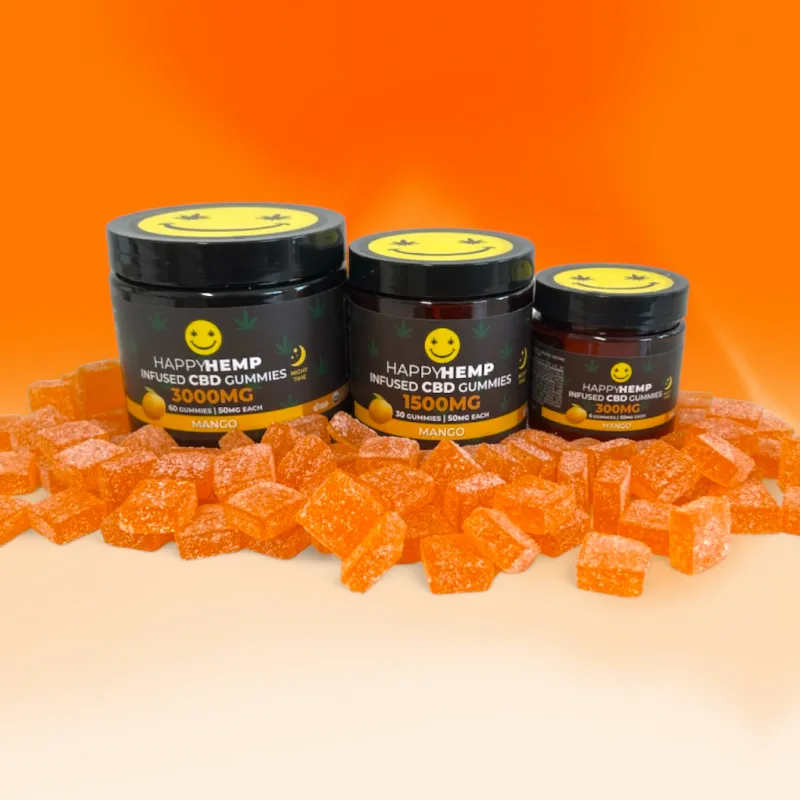
Photo: CBD gummies storage container cool dark shelf hemp products, via www.gethappyhemp.com
Let's be honest — most of us don't treat CBD gummies like precious cargo. They end up in gym bags, car consoles, bathroom medicine cabinets, or on windowsills. Life gets busy and storage feels like a minor detail.
But here's the thing: cannabinoids are organic compounds, and organic compounds degrade. How quickly that happens depends almost entirely on how you're storing your products. If you've ever popped a gummy and wondered why it didn't seem to hit the same as it used to, the answer might not be in the formula — it might be in how you've been keeping it.
This is especially relevant if you're living in or around Denver. Our Rocky Mountain environment is genuinely unusual, and it affects hemp products in ways most people don't think about.
What Actually Happens to CBD Over Time
CBD — short for cannabidiol — is a phytocannabinoid derived from hemp. Like most plant-based compounds, it's vulnerable to a process called oxidation. When cannabinoids are exposed to oxygen, light, and heat, their molecular structure gradually breaks down. The CBD doesn't disappear overnight, but it slowly converts into other compounds that are either less active or completely inert.
Research on cannabinoid degradation suggests that under poor storage conditions, CBD products can lose a meaningful percentage of their potency within just a few months. One commonly cited study found that cannabis-based medicines stored improperly showed significant cannabinoid loss in under a year. Under ideal conditions, though, a well-formulated CBD gummy can remain stable for 12 to 24 months — sometimes longer.
The key phrase there is "ideal conditions." Most of us aren't nailing those.
The Three Enemies of CBD Stability
Heat is probably the most aggressive degradation factor. Elevated temperatures speed up chemical reactions, including the oxidation process that breaks down cannabinoids. Anything above about 70°F on a consistent basis starts to accelerate potency loss. That means cars, sunny shelves, and warm kitchen counters are all working against your gummies.
Light — specifically UV radiation — is another major culprit. UV rays break molecular bonds, and cannabinoids are particularly sensitive. This is why quality hemp products typically come in dark, opaque, or amber-colored packaging. Clear bags or containers left near a window are basically giving your CBD a slow sunburn.
Humidity and moisture round out the trio. Excess moisture can degrade the gummy structure itself, encourage mold growth, and affect the stability of the hemp extract inside. On the flip side, extremely dry environments can cause gummies to become brittle and crumbly — which doesn't affect potency directly but isn't ideal either.
Denver's Unique Storage Challenge
Here in Denver, we don't deal with tropical humidity — but we face our own set of conditions that are worth understanding. At over 5,000 feet in elevation, the air is drier and UV radiation is measurably stronger than at sea level. That combination means light exposure and moisture fluctuation are both amplified concerns.
The good news about Denver's low humidity: you're less likely to deal with moisture-related gummy degradation. The challenge: that intense Colorado sunshine coming through your windows is more potent than most people realize. A gummy bag sitting on a sunny shelf in a Denver apartment is getting hit with more UV exposure than the same bag would in, say, a Chicago kitchen.
Seasonal temperature swings here are also significant. Denver summers regularly push past 90°F, and leaving products in a hot car even briefly can cause real damage. During winter, rapid temperature cycling — warm inside, freezing outside — can stress packaging and affect product consistency.
The practical takeaway for Denver residents: prioritize keeping your CBD away from light and temperature extremes more than you might worry about humidity.
Practical Storage Tips That Actually Work
You don't need a climate-controlled vault. A few simple habits make a real difference:
Cool, dark, and dry is the goal. A kitchen cabinet away from the stove, a bedroom drawer, or a pantry shelf all work well. The inside of a cabinet is almost always preferable to the top of a counter.
The refrigerator is a solid option. Especially during hot Colorado summers, stashing your gummies in the fridge keeps them cool and away from light. The lower humidity inside a refrigerator is also a plus. Just let them sit at room temperature for a few minutes before eating — cold gummies can be pretty firm.
Avoid the bathroom medicine cabinet. This one surprises people, but bathrooms are humidity hotspots. Every shower creates a warm, moist environment that cycles repeatedly — not great for any supplement, including CBD.
Keep them in their original packaging when possible. Manufacturers design that packaging with stability in mind. If you transfer gummies to a different container, make sure it's airtight and opaque.
Don't store them in your car. Seriously. Even in mild weather, a parked car can reach temperatures well above 100°F on a sunny day. This is one of the fastest ways to kill your CBD's potency.
How to Tell If Your Gummies Have Gone Off
Expired or degraded CBD gummies usually give you a few signals. The most obvious is a change in appearance — discoloration, unusual texture, or a whitish coating (called sugar bloom, which can happen with temperature fluctuations) are all signs that something has changed.
Smell and taste are also useful indicators. Fresh CBD gummies have a mild, slightly earthy or fruity scent depending on their flavoring. If they smell stale, off, or just wrong, that's worth paying attention to.
Functionality is the real test, of course. If you've been consistently using a product and it suddenly seems less effective, degradation is a legitimate explanation — especially if your storage habits haven't been ideal.
Is Expired CBD Actually Dangerous?
This is a fair question, and the answer is reassuring: in most cases, no. Degraded CBD is generally considered less effective rather than harmful. The cannabinoids break down into inactive compounds, not toxic ones. The bigger risk with truly old gummies is the other ingredients — sugars, fruit pectin, added vitamins — which can go stale or support mold growth in humid conditions.
If a gummy shows any sign of mold, discard it entirely. But a gummy that's simply past its best-by date and has been stored reasonably well is more likely just weaker than it is dangerous.
The Bottom Line
Your CBD gummies are only as good as how you treat them. The hemp extract inside is a living, organic compound that responds to its environment. Keep it cool, keep it dark, and keep it away from moisture extremes — and you'll get consistent results every time.
Here in Denver, that means being especially mindful of our strong sunlight and temperature swings. A little attention to storage goes a long way toward making sure every gummy delivers what you bought it for.